The FCRA provides the provision to eliminate any harmful element in your credit report
Round the united states, using a credit card continues being among the most efficient fiscal instruments. Countless consumer accounts point for their unbowed attempts to obtaining a credit card. Like any other product, a credit card includes a whole range of benefits and associated advantages. Through application, credit card issuers look at many metrics before entrusting your card software. This factor means that your chances of acceptance when you have a poor score, are incredibly slim. Besides, you'll want to see a few items as soon as you get your card. If you go beyond the 30 percent credit utilization limit, your credit score will undoubtedly drop. During the program, the issuer could perform a tough question that would drop your credit rating. The further you have failed applications, the more inquiries you are going to have in your report. Once you get the card, adhering to the stringent credit regulations would work to your leverage. Failure to obey the regulations will tank your credit rating and damage your report.
Most people always wonder whether taking out a new loan may hurt their credit. In brief, loans and the way you manage them is a critical element in determining your credit. Credit calculation is usually a complex procedure, and loans can either boost or reduce your credit score. If you continuously default on your payments, your credit score would undoubtedly drop. Your credit report is a snap that creditors use to determine whether you are creditworthy. This truth could be counterintuitive as you need a loan to construct a positive payment history and document. If this loan application is the very first one, your odds of success might be very slim. To qualify for a new loan, you'll require a fantastic history and utilization ration to be qualified for new credit. If you want to read more info regarding https://kenyanmechanic.com/index.php?page=user&action=pub_profile&id=101078 take a look at the web site. If you have had a good payment history previously, the loan issuer may think about your program. In the event that you always make late payments, potential lenders would question your loan eligibility. Taking out new loans may provide you the chance to build your credit if you'd damaged it. Since debt volume accounts for a considerable part of your account, Credit Guide you should give it immense attention.
Loan issuers will hardly accept your application for a new loan if you've got bad credit. Since you require a loan to build your credit, obtaining the initial loan could be an uphill task. But the great news is you can get a secured credit card with bad credit. Some lenders could be more willing to issue credit cards to customers even if they have history. Basically, you are going to need to put a deposit that functions as collateral in the event the balance goes unpaid. Card issuers accumulate basic identification information and financial data from the card candidates. As soon as you've given the issuer permission to carry out a credit check, you are going to begin processing the deposit. Some card issuers request your bank account information from which they draw the deposit. There's a good difference between standard credit cards and secured cards. Despite these gaps, you will definitely benefit from a number of its advantages.
 Your credit report only entails your debt and existential credit scenario. Typically, you'll be qualified for a typical checking account when you have a good credit history. If that is not the case, you may need to go for a checking account for bad credit. Also, withdrawing, depositing, final, or having several accounts would not impact you. When you have an overdraft, clearing the charges on time would remove it from the report. In the event the lender turns the bill to a set, the overdraft might appear on the account. Therefore, there are limited circumstances when a checking account could damage your credit score. Some banks may check your credit report before approving your application for a checking account. The inquiry or application for overdraft protection could generally tank your credit rating.
 Federal bankruptcy courts came up with insolvency to lessen significant financial burdens on individuals. While it could help you avoid debt, you have to understand the long term consequences. You may have a temporary relief if you file for bankruptcy, but its effects can last for a decade. Besides, a bankruptcy would reduce your success rate of negotiating for favorable interest prices. In a glimpse, filing for bankruptcy could make you experience countless hurdles and legal complexities. The first step would be expressing your inability to pay the loan and moving through credit counseling. The next step will be deciding whether you'll file chapter 7 or chapter 13 bankruptcy. Whichever the case, you're pay the related fees — both courtroom fees and attorney fees. Avoiding bankruptcy is an ideal choice since you'll lose much more than what you've got. Moreover, it seriously damages your credit and affects how potential lenders would see you.
Making late payments can tank your credit score by roughly 100 points. Timely payments accounts for a vast portion of your report, making defaulting a negative element. Defaulting can drop your credit rating farther, and it can be worse if it is already low. If a unprecedented circumstance comes your way, making late payments can be clear. If you experienced any problem, your loan issuer may understand and give you a bit of grace period. But, making late payments as a habit could influence your muscle. The national law expressly states that loan issuers can not report an overdue payment; it is not older than 30 days. Going past this window could influence your ability to get additional loans from potential lenders. Constant delinquencies would make creditors perceive you as a high-risk borrower. In a nutshell, maintaining great financial habits and making timely payments will work to your leverage.
Most people always wonder whether taking out a new loan may hurt their credit. In brief, loans and the way you manage them is a critical element in determining your credit. Credit calculation is usually a complex procedure, and loans can either boost or reduce your credit score. If you continuously default on your payments, your credit score would undoubtedly drop. Your credit report is a snap that creditors use to determine whether you are creditworthy. This truth could be counterintuitive as you need a loan to construct a positive payment history and document. If this loan application is the very first one, your odds of success might be very slim. To qualify for a new loan, you'll require a fantastic history and utilization ration to be qualified for new credit. If you want to read more info regarding https://kenyanmechanic.com/index.php?page=user&action=pub_profile&id=101078 take a look at the web site. If you have had a good payment history previously, the loan issuer may think about your program. In the event that you always make late payments, potential lenders would question your loan eligibility. Taking out new loans may provide you the chance to build your credit if you'd damaged it. Since debt volume accounts for a considerable part of your account, Credit Guide you should give it immense attention.
Loan issuers will hardly accept your application for a new loan if you've got bad credit. Since you require a loan to build your credit, obtaining the initial loan could be an uphill task. But the great news is you can get a secured credit card with bad credit. Some lenders could be more willing to issue credit cards to customers even if they have history. Basically, you are going to need to put a deposit that functions as collateral in the event the balance goes unpaid. Card issuers accumulate basic identification information and financial data from the card candidates. As soon as you've given the issuer permission to carry out a credit check, you are going to begin processing the deposit. Some card issuers request your bank account information from which they draw the deposit. There's a good difference between standard credit cards and secured cards. Despite these gaps, you will definitely benefit from a number of its advantages.
Your credit report only entails your debt and existential credit scenario. Typically, you'll be qualified for a typical checking account when you have a good credit history. If that is not the case, you may need to go for a checking account for bad credit. Also, withdrawing, depositing, final, or having several accounts would not impact you. When you have an overdraft, clearing the charges on time would remove it from the report. In the event the lender turns the bill to a set, the overdraft might appear on the account. Therefore, there are limited circumstances when a checking account could damage your credit score. Some banks may check your credit report before approving your application for a checking account. The inquiry or application for overdraft protection could generally tank your credit rating.Federal bankruptcy courts came up with insolvency to lessen significant financial burdens on individuals. While it could help you avoid debt, you have to understand the long term consequences. You may have a temporary relief if you file for bankruptcy, but its effects can last for a decade. Besides, a bankruptcy would reduce your success rate of negotiating for favorable interest prices. In a glimpse, filing for bankruptcy could make you experience countless hurdles and legal complexities. The first step would be expressing your inability to pay the loan and moving through credit counseling. The next step will be deciding whether you'll file chapter 7 or chapter 13 bankruptcy. Whichever the case, you're pay the related fees — both courtroom fees and attorney fees. Avoiding bankruptcy is an ideal choice since you'll lose much more than what you've got. Moreover, it seriously damages your credit and affects how potential lenders would see you.Making late payments can tank your credit score by roughly 100 points. Timely payments accounts for a vast portion of your report, making defaulting a negative element. Defaulting can drop your credit rating farther, and it can be worse if it is already low. If a unprecedented circumstance comes your way, making late payments can be clear. If you experienced any problem, your loan issuer may understand and give you a bit of grace period. But, making late payments as a habit could influence your muscle. The national law expressly states that loan issuers can not report an overdue payment; it is not older than 30 days. Going past this window could influence your ability to get additional loans from potential lenders. Constant delinquencies would make creditors perceive you as a high-risk borrower. In a nutshell, maintaining great financial habits and making timely payments will work to your leverage.
 If you liked this short article and you would like to get additional facts with regards to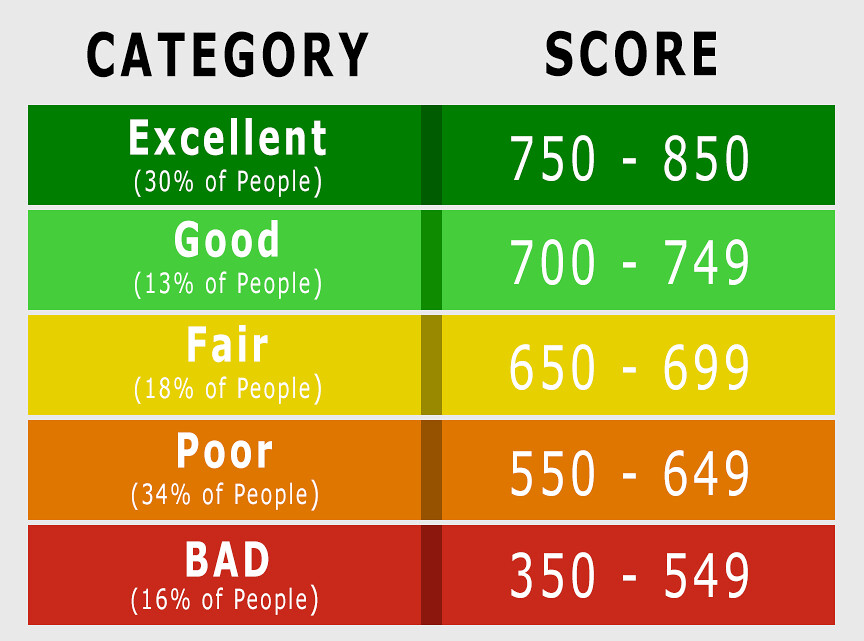
 Your credit score is a credit score picture with which lenders use to judge your creditworthiness. The credit score calculation and scrutiny versions vary between various loan issuers. Likewise, credit card businesses use different approaches to look at their consumer credit reports. Your program will less likely succeed if you have a poor credit score and report. In rare situations, your application would be prosperous, but you are going to incur costly fees. Therefore, keeping your eye on your financing would help you stay on top of your finances. You can monitor your score to give you a comprehensive overview of your credit score. Since the three data centers give customers a free credit report each year, you should optimize it. After retrieving your account, you need to examine the things that severely hurt your credit report. Focus on taking away the things that you may before going for the ones that need legal procedures. Since several credit repair businesses offer closely-similar services, choose the one that suits you. Always remember to maintain good financial habits and check your report regularly.


 Consumers' desire for failure and loans to fulfill their obligations caused bankruptcies. While it may help you avoid debt, you need to comprehend the long-term consequences. Bankruptcies offer a short-term loan relief, but its effects can go up to a decade. With insolvency, you will not be able to negotiate for good quality credit or credit cards. When filing for bankruptcy, you'll experience countless challenges and legal complexities. The very first step would be expressing your inability to pay the loan and going through credit counseling. Following this step, you are going to have to choose whether to file chapter 7 or chapter 13 bankruptcy. As soon as you pick the bankruptcy to file, you'll need to clear all associated legal fees. Filing bankruptcy has serious consequences, hence avoiding it's an ideal choice. Moreover, it seriously hurts your credit and impacts how prospective lenders would see you.


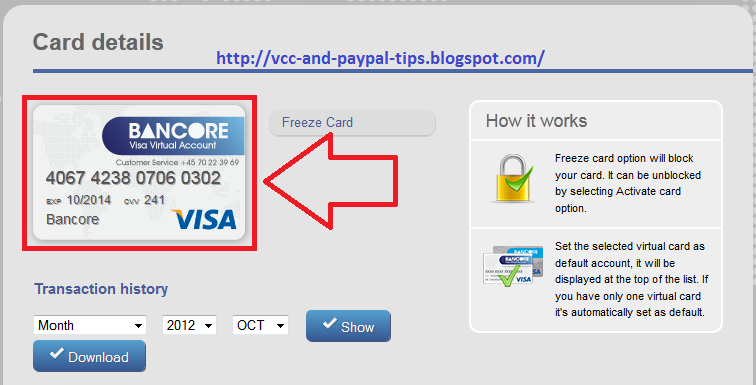
 Loan issuers will barely accept your application for a new loan if you've got bad credit. The relationship between loan applications is linear; hence this situation seems counterintuitive. The good side is that you can apply for a secured credit card with bad credit. You are able to get a card issuer who's ready to give you a credit card after procuring some deposit. The card issuer will expect you to pay some amount as a deposit when applying for the card. Card issuers accumulate basic identification data and financial information from the card candidates. As the card issuer assesses your credit file, you are going to begin calculating the security. In some situations, you'll provide account information to the issuer to debit the amount right. Obviously, secured credit cards possess a huge difference from the conventional cards. Although a secured credit card is different from the traditional ones, you'll certainly enjoy some perks.
Loan issuers will barely accept your application for a new loan if you've got bad credit. The relationship between loan applications is linear; hence this situation seems counterintuitive. The good side is that you can apply for a secured credit card with bad credit. You are able to get a card issuer who's ready to give you a credit card after procuring some deposit. The card issuer will expect you to pay some amount as a deposit when applying for the card. Card issuers accumulate basic identification data and financial information from the card candidates. As the card issuer assesses your credit file, you are going to begin calculating the security. In some situations, you'll provide account information to the issuer to debit the amount right. Obviously, secured credit cards possess a huge difference from the conventional cards. Although a secured credit card is different from the traditional ones, you'll certainly enjoy some perks.